.png)
Create Your Organization's Coaching Culture Intentionally
What does a coaching culture actually look like inside an organization?
With
Katherine Lord
Director of Organizational Member Experience
International Coaching Federation
April 14, 2026




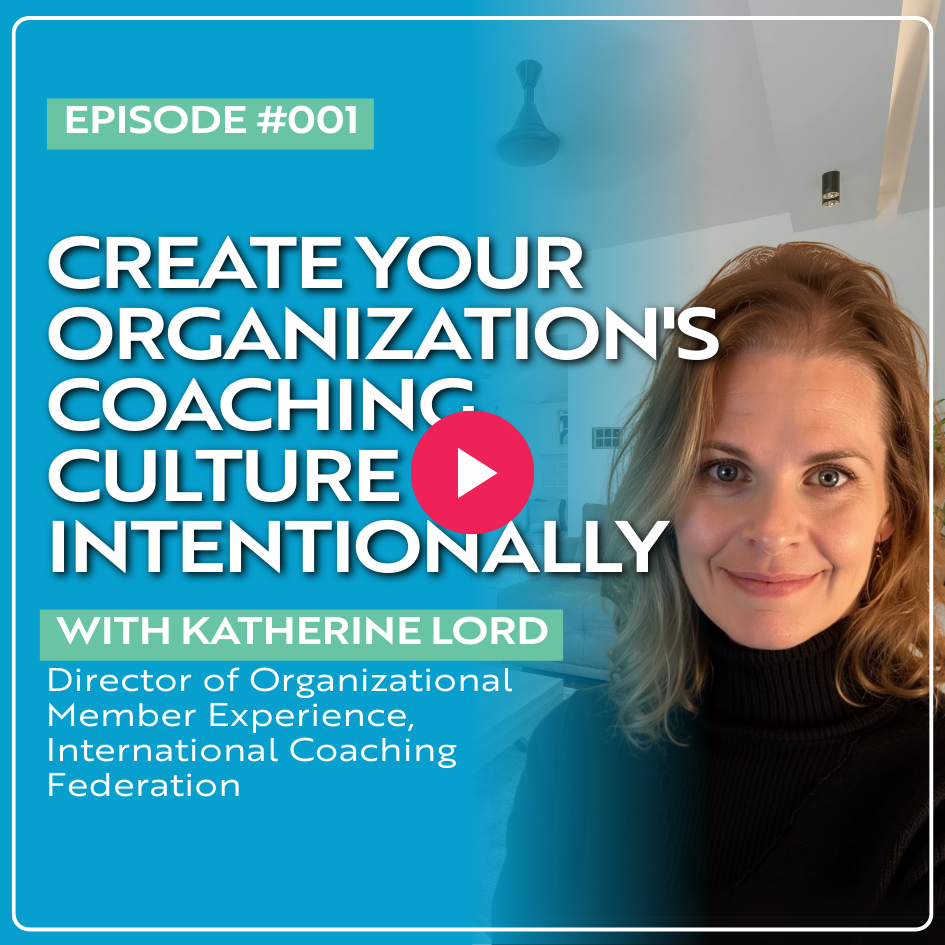
What does a coaching culture actually look like inside an organization? In this episode, Katherine Lord, Director of Organizational Member Experience, unpacks why a coaching culture is not a branded initiative or a sign that everyone has a coach. It is an environment where leaders and employees use coaching mindsets and behaviors in daily decisions, management, and collaboration, all in service of business results.
Katherine shares how her background in social work shapes her systems view of organizations, why behavior matters more than optics, how leaders can assess maturity without turning it into a competition, and why pilots are often the smartest place to start.
For talent leaders, L&D teams, and internal coaches, this coaching podcast offers a practical foundation for building coaching cultures and thinking about where group coaching can become a scalable lever.

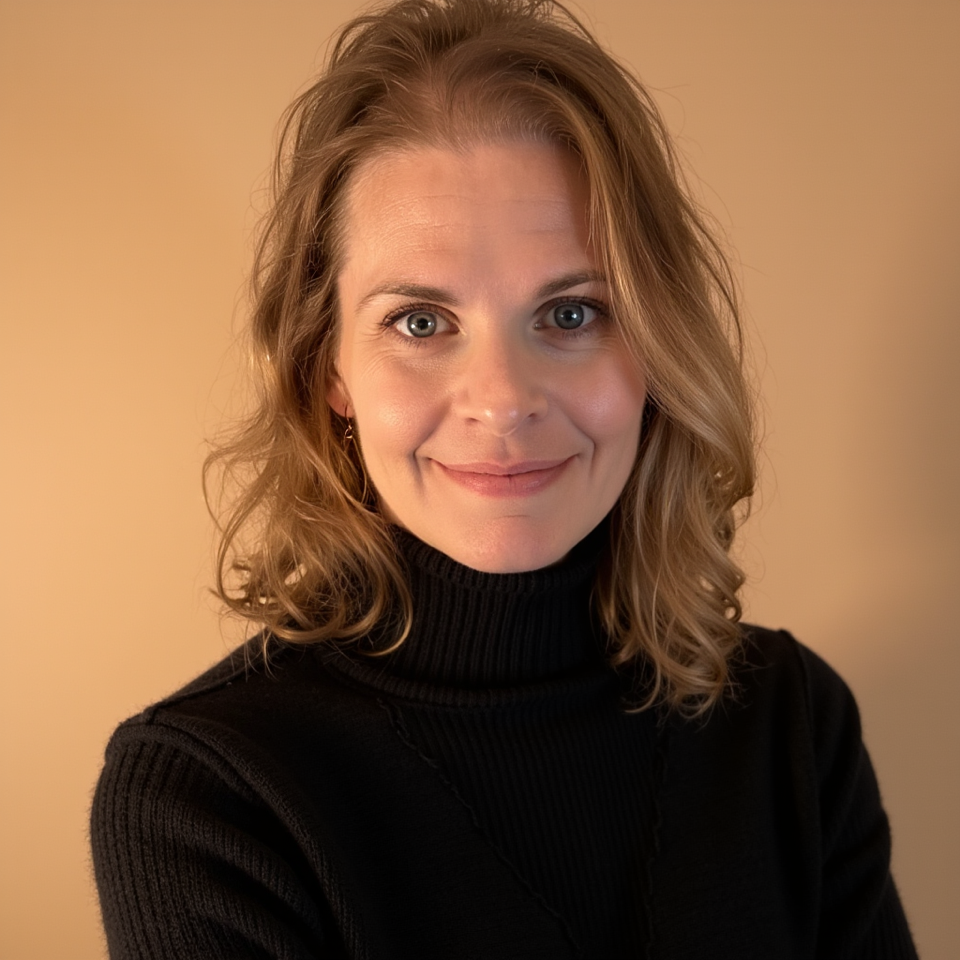
Katherine Lord is Director of Organizational Member Experience at the International Coaching Federation. She works with organizations and coaching program leaders to help them strengthen coaching cultures, share best practices, and navigate common challenges. Her background spans community engagement, association leadership, and social work, giving her a strong systems lens on how people, leadership, and organizational environments interact. Prior to this role, she held positions with the Council on Social Work Education and the Club Management Association of America.
Group Coaching HQ
Hi, you'relistening to the Coaching in Organizations podcast, real stories and strategiesfor building coaching cultures within organizations, with an unapologetic loveof group coaching.
Dominique Mas
I'm your host,Dominique Mas, and I'm the founder at Group Coaching HQ. Today my guest isKatherine Lord, Director of Organizational Member Experience at theInternational Coaching Federation, and specifically for the Coaching inOrganizations section. I've collaborated with Katherine in many ways, and I amso grateful for the passion and care she puts into all of her work.
She's a trueadvocate for coaching, and I wanted her to help us really set the tone for thispodcast by defining what it means to build a coaching culture. In this episode,we dive into the idea that coaching should support what matters most to theorganization. That is what a coaching culture is about, not a coaching program.
Katherinereminds us that it's less about branding and more about how leaders andemployees consistently act, manage, and collaborate. It's about the behaviorswe see every day and not the beautifully named coaching initiatives. So let'sdive in and see what we can learn about building coaching cultures trulyintentionally.
Hi Katherine.
Katherine Lord
Hi Dom.
Dominique Mas
I'm delightedto have you here, and first I'd like to share a little bit more about you, andthen you can let me know if I'm missing anything.
Katherine Lord
Okay.
Dominique Mas
You are acommunity engagement leader who is known for driving organizational growththrough innovative program development, strategic stakeholder alignment, andimpactful partnership building. You've held key roles at the Council on SocialWork Education and the Club Management Association of America, where you ledtransformative initiatives that enhanced member value and strengthenedorganizational performance. What did I miss?
Katherine Lord
That's it.
That's a greatsummary.
Dominique Mas
Perfect,perfect. So I'm really excited. This is the first ever episode of the Coachingin Organizations podcast, and our goal for this episode is slightly differentfrom the future episodes. Here, really what we want to do is define what acoaching culture is, what it looks like, and how our audience might get startedto build one or how they might enhance theirs. So I'd love to start with thisidea that you brought up, that a coaching culture isn't about branding aprogram. It's really about creating an environment. So we're going to dive intothat in a bit, and I think hearing more about your story will help us to unpackthis a little bit. You have a background in social work, which is so, sopowerful in building partnership and connection, and it's led you to coaching.So tell us a little bit about how you got here.
Katherine Lord
Oh gosh. Well,it's so interesting to, of course, look back now with hindsight and see, oh, Isee where the red thread is of my life, but not necessarily knowing it in themoments of change throughout my career. But from early on, Dom, I definitelyhad visions of being in a helping people profession. I was interested inpsychology and then, of course, later social work. I also still sort of have adream of being an actress, but we can talk about that on a different podcast.
But what Irealized is that one of the things I love to do is create intentionalcommunity. And this has shown up over and over with every role that I've had.And so I started post-college. I was a business major. Post-college worked fora hospitality group and did events for them. And thinking back, I wasessentially crafting meaningful, connected experiences, which, of course, setup the foundation for other roles that I've had.
And then I,from that work, really wanted to understand more about people and systems andleadership, and what I would later learn is called person and environment. Iwanted to know how things all sort of worked together. And so that led me toget my master's in social work, which was a phenomenal degree. And while I wasin that program, I got to do some clinical social work, which I loved, andreally thought that that was going to be my path.
And then mybrilliant husband got a job in DC, and so we moved from Colorado, where we wereliving at the time, to Washington, and that actually is what launched me intothe association management world. So I ended up getting this job with theCouncil on Social Work Education, and then later another association, ClubManagement Association, and now fast forward, I'm here with the InternationalCoaching Federation. So still in the association world, but now leaning backinto these helping professions.
And so when Igot to ICF, I'd say overwhelmingly my feeling was, well, where has this been?You know, coaching, I learned about it from day one, and I work, as we'll talkabout, I work with organizations and their coaching program leaders. It waslike, well, hi people, I didn't know you were here. So not only was Itransfixed by coaching itself, but then certainly the work that coaching thatwas transpiring in organizations. And so amazing alignment of job and purposehere now. So now I get to support organizations in creating intentionalculture, and a lot of times that has components of coaching, and so that's whyI'm here.
Dominique Mas
Thank you somuch for sharing that journey. I always love hearing how people got to wherethey are. And I think your passion for building, and I love that you keep usingthat word, intentional community, is such an important piece of it. And I'veseen you in action creating that community for coaching leaders inorganizations, and it's incredibly powerful. In addition to that, you're also areally strong connector. And you really do help build coaching cultures, to bea little bit more specific. And I'm curious what you bring from the social workaspect of your career, previous career, but really still kind of present intothis work. So tell us a little bit about that.
Katherine Lord
Yeah, very,very much so. And it sort of feels like once a social worker, always a socialworker. I mean, I definitely have a social worker's heart, just now with somenew coaching skills and appreciation. As I mentioned, there are lots of socialwork frameworks, and some of them have actually informed a lot of coachingpractice.
One of thosepieces, as I mentioned, the person and environment, is looking at howeverything around us impacts and receives what's happening with us internally.So you think about the solar system, and the movement of the Earth is impactedand responsive to other things in orbit. And so when I think about coaching andorganizations, I'm drawing upon, you know, looking at the organization as asystem and what's impacting that system, but then also the individuals that areimpacting what's happening within that system.
So it's sortof seeing all of these moving pieces and recognizing that they are allinterconnected and that coaching is this thing that can come in and sort ofhelp make sense of how all of these things move and perhaps help them movewhere we actually want them to go and away from where we don't want them to go.So it's probably a little meta, Dom, to be honest, but it's connecting this. Wehave people, we have systems, we have the greater world.
Katherine Lord
Social workerslove talking about the micro, mezzo, and macro, and anyone who has worked withme knows that I put that on too. But I think it's a great way to kind of lookat the world. What's happening individually, what's happening within a smallcommunity, and then what's happening in the greater world.
Dominique Mas
Yeah, thankyou so much for sharing that. And I really think this way of framingeverything, right? Everything is a system. And not only are we part of thesystem, but the system is part of us too. And so it's that constantrelationship, right? That constant connection that helps us build the culturesthat we want to build, and we have to be conscious of it.
And I'd loveto hear from you, as you've done so much work with ICF, the coaching culturearound coaching cultures, what would you say defines a coaching culture? If youhave the skeptical executive who's like, oh, why don't we need to build acoaching culture? I don't know, I don't know why they have that voice, but theydo apparently.
Katherine Lord
Well, theycertainly do. Yeah.
Dominique Mas
Yes, yes.
Katherine Lord
Everyone I'vemet.
Dominique Mas
What would yousay to them if you had to define what coaching culture is?
Katherine Lord
Well, I hadn'tthought of this before, Dom, but I would say at this point, what I would startwith is probably a coaching question back at them. I'd say, what matters mostto you? You know, I say that sort of cheekily, but in seriousness. Part of itis, well, what do you want your culture to be? And then we look at how coachinghelps that. But if we take that aside, I would say a coaching culture is anenvironment where leaders and employees consistently use coaching mindsets andbehaviors, embedding them in daily actions, decisions, management, all inservice of driving business results.
Dominique Mas
I think youreally hit the nail right on the head here, and it goes into how do we measurecoaching impact and really what is at the heart of it is how do we connectcoaching to organizational goals and strategy. And I also really appreciatethat you shared it's not about the fact that coaching exists in theorganization formally, like, hey, we're going to have this big initiative whereeverybody's going to get coached. That's not what we're talking about.
Dominique Mas
It's reallywhen we talked about before, you used that word of intentionality again. So I'mcurious, because it doesn't have to be this big woo haw, everybody gets acoach. Like, what does it look like to really create that coaching cultureintentionally?
Katherine Lord
Well, to breakthat word down, intent. There has to be a desire. I have not heard of anorganization, and if there's one listening to this, like call me, thatunknowingly created a coaching culture. There has to be some, you know, we talkabout this more in depth in some of our work with coaching and organizations,but the championing of it and that championing can happen at the C-suite andthen it trickles down or can be grassroots effort and rise up.
There's aswell of interest in coaching as a lever to accelerate something else. So whenwe talk to organizations, they have some kind of challenge, some kind ofproblem. And it could be profits are great, but hey, we don't know what to doabout AI. This is totally changing our industry. And there has to be this lookat how we've done things in the past with our L&D programs or with ourleadership development programs. It's not aligning exactly how we want to.
So there's aninterest, there's an intent, and then it's this somewhat openness to coachingsaying, let's try this. Even though coaching has been around for a long time,organizations are still learning like, ooh, let's tap into that and see what wecan do. And then, of course, as you mentioned, when we're talking business,we're talking measurement, we're talking ROI. You have to know what kind ofmetrics you're interested in evaluating.
So it's greatif you say, I want to bring in coaching because I want to improve employeemorale. All right, there's certainly going to be a lot of qualitativeinformation that would determine if it was a good investment, but what kind ofdata can you use? Hard data to give you that answer.
Dominique Mas
Yeah, yeah.And actually, it's perfect that you're talking about measurement because Ithink as we're thinking about coaching cultures, it's also important tounderstand how we might measure that coaching culture, how we might see wherewe're at so that we get a sense of where do we want to be more intentional inthe future.
And so ICFbuilt the coaching culture or the culture compass assessment. So I'm curious ifyou could share a little bit more about that and what it helps organizationssee in terms of their coaching culture.
Katherine Lord
Thank you forasking that. And we're proud of this assessment tool and the maturity matrixthat has come out of it. This hearkens a little bit to your prior questionabout what does this look like and does it have to be, you know, everybody getsa coach, we're screaming from the rooftop, all of that. What's interestingabout the compass and our evaluation of the coaching culture is that it is sorooted in behavior.
If you've gotposters all over, let's pretend everybody actually works in an office. Ifthere's posters in the lunchroom about, yeah, I know, I don't. Posterseverywhere, every, you know, staff email has something about coaching, butyou're not actually seeing behavior change. You're not seeing any of thecoaching mindset and behaviors that we talk about exemplified in actions. Well,you don't have a coaching culture.
What we'relooking at is the suite of behaviors that can be exhibited by employees thatstaff see in leadership and that employees see in one another. So we devisedthis assessment that places your organization based on a 22-question surveythat employees can take into four categories. So we have ad hoc, emerging,developing, and integrated. And there's lots of information I could, of course,share and that you can find about what these four levels look like, but it'sbasically a roadmap to say, here's where you are based on the behaviors thatare being exhibited by your employees.
Katherine Lord
And so if youwant to move the needle to make it look more this way, here are some ideas andresources. If this looks good to you, A plus. And that I'd really like tounderscore. When people see, oh, there's four, I want to be integrated, I wantto win, I want to get the highest score possible.
Dominique Mas
I want to win.
Katherine Lord
Yeah, I wantto win. My fellow type Aers out there. So there is no winning. If you havecoaching, if you've heard of coaching, you're winning. If you have a coach,you're definitely winning.
Katherine Lord
But fordifferent organizations, landing on a particular level may make the most sense.And so for certain companies, having an ad hoc coaching culture, okay,certainly if there were more reasons and plenty of time and, you know, all ofthe help in the world to get to integrated, perhaps that's something they wantto do, but ad hoc might be serving them really well right now. And similarlywith integrated, I have heard from, this has only happened once, but where anorganization scored on the integrated and they said, actually, one of the signswe see of coaching being beneficial is low retention. They said, we're sointegrated. We actually need less retention. We need some of these people toget out of here. So it's almost there can be too much of a great thing. Andthey were noticing that some of that was for various reasons that they couldtie to the coaching program. Again, one in the hundreds of companies I'vetalked to, but just to say it's not about winning because even if you scoreintegrated, which is the highest, the farthest right on the spectrum, it mightnot be serving your organization in the best way. You might want to scale back.
Dominique Mas
Whoa.
Katherine Lord
Isn't thatwild?
Dominique Mas
Yeah, wild.Thank you so much for sharing that. I'm stumped. That's so cool.
Katherine Lord
I know. Iknow.
Group Coaching HQ
Quick pause,because if you're responsible for scaling coaching across regions or businessunits, this is for you. If you're like many of the coaching and talent leadersout there, you're being asked to expand access to coaching while still drivingROI, retention, and building a real coaching culture. Those who get this rightare investing in structured group coaching. And that's where we at GroupCoaching HQ come in. Coaches from global brands, universities, healthcaresystems, and public sector organizations have joined our ICF-approved 12-weekgroup coach certification program, earning 30 ICF CCEUs while gaining theframeworks, toolkit, and community to confidently build and lead impactfulgroup coaching programs.
Need somethingtailored? We deliver custom workshops, train-the-trainer programs, andconsulting to help you design the right structure for your organization. And ifyou want turnkey support, we provide seamless, high-quality group coachingdelivery from coaching matching through to final reporting. If you're ready toamplify leadership impact through small group interventions, visitgroupcoachinghq.com and find the collaboration option that's right for yourorganization.
Dominique Mas
Are theresurprises that you've had or that organizations have had when they see theirresults that you want to share? Because that's wild. Yeah.
Katherine Lord
So that's,yeah, that's an extreme example. I'd say overwhelmingly, people are surprisedat how far to the right they are. They kind of come in, I mean, it's like we'reour own worst critics and skeptics, and so we do that from an organizationalstandpoint too.
Oh, we takethis assessment and it tells us we're developing, which is sort of like thelevel three out of four. They're like, wow, we haven't even done group coachingyet. You know, so it's sort of an, yeah, for sure.
It's sort of areminder. It's a reminder that you've probably already done some great work. Ifyou have landed upon the coaching culture assessment, the compass, you probablyare doing some great things. And certainly if there's an back to the intent, interest,some good stuff is going to show up. And I also feel like it's very motivatingthat if for wherever organizations score, they say, oh, wow, this is reallygreat. And the way that the assessment works is that you still get someencouragement on some other things that you could do to strengthen your programor to strengthen your culture. So they say, okay, we've got some bandwidth topush forward a little bit or push deeper. So I'd say that's the biggest thing.People are usually really proud of themselves.
Dominique Mas
Yeah, that'swonderful.
Katherine Lord
It's becauseit's tied to behavior. It's because it's tied to not, as you said, to everyonehas a coach, every team has a team coach. We recognize that that is simply notdoable for a lot of organizations. But if leaders use coaching skills, ifpeople become aware of the coaching mindset and certain coaching behaviors,this can percolate through an organization and make huge impact even withoutthe existence of a formal coaching program.
Dominique Mas
Yeah, I lovethat so much. It's always about behaviors, right? That's how we measureleadership. That's how, I mean, when we're coaching, we're always thinkingabout, well, what are the behaviors that you'd want to see in yourself if youwere the ideal person, right? So I think it always comes down to behavior.
I'm curious,Katherine, as we come more towards the end part of this, what would be yourbest advice to those who are looking to even start feeling that they have acoaching culture in their organization or looking to, you know, do that 3%more? What would be your advice?
Katherine Lord
Well, my firstpiece of advice would be get in touch with other organizations. And this is thecommunity. This is, and of course, the role that ICF coaching and organizationsplays, where we just bring organizations together that are doing this work so thatthey can share best practices, share challenges, experience programming to helpthem do exactly what you're describing. So find your community and find thoseleaders who are doing this work because everybody's sharing similar challenges.I got to show ROI. How do I internally market my program? What are we doingabout AI? You are not the only one asking that question. So join us andparticipate. So that's number one.
Number two,and this comes up a lot, is my tagline is befriend the pilot. Pilot programsgive so much leash, so much lead to experiment, try it, just get in there andtry it. And if you throw pilot on it, people are usually like, okay,Katherine's just like doing her pilot over there. Don't bother her. But do agreat pilot. Use some data. Again, talk to the community about how to do thebest pilot you can, but take the pressure off. Again, don't do a formal thingif you don't have to right away. Get your grounding with a pilot program.
Dominique Mas
Oh, I lovethat so much. That is the number one advice I give to everybody. Like, justtake a little bit of the pressure off, give yourself space to explore,understand what works, what doesn't, and then you can truly dive into whatmakes sense for your organization and not be tied to, oh, we have to do thisand we have to get it right. I love that so much.
Katherine Lord
And I'd saywhat allows that freedom, sort of thinking about a tree blowing in the wind,that's the pilot. Like, you can kind of go all over the place, it's a littlebit free flow, but what will ground you, what will root you?
I have to saythis, and I believe this, is the ICF core competencies. Yeah, if you root yourprogram and what you're doing in the competencies that are tried and true, it'sgoing to give you a leg up. It's going to give you a foundation to explore andplay, which is what you want.
Dominique Mas
Yeah. Ah, loveit. Love it. Thank you so much. This is great. And I think we have a prettygood frame on what it means to be building a coaching culture. And now I wantto come back to you because that's where we started. So I want to come back toyou. You've been doing all this incredible work, bringing people togetherintentionally in community. You've been supporting organizations to grow theircoaching cultures, to connect with each other. What's been the shift for youpersonally? How have you grown since you've started this work?
Katherine Lord
I appreciatethat question. And it's twofold because when I stepped into this role, Istepped into two worlds. I stepped into which are connected. So I stepped intomy job working with these organizations, but I also stepped into coaching, intothe world of coaching. And very quickly, I got my 60 hours of initial coachtraining. I'm an ACC candidate. I'm working toward that.
So from thatside of things, of just being exposed and now immersed in coaching, I trulybelieve coaching can change the world. I didn't know it existed. So in almosttwo years, I've gone from didn't know it was a thing to no, this is the thing.And I feel very passionate about utilizing coaching in different ways andintegrating coaching into other helping professions and honestly into anyprofession. And also the democratization of coaching and the access ofcoaching.
There's thatsocial work heart, access and equity. Because I believe it is so powerful. Theother piece is my absolute joy and the respect I feel and admiration for thepeople who are doing this work in organizations. I get to work with 70 or sointernal coaching program leaders working at companies that are really, reallybig and doing really, really important things for the world. And the fact thatI get to be six degrees away in any way to that work is pretty profound.
Dominique Mas
You're notonly six degrees away.
Katherine Lord
But I'm likeone degree away. Yeah. So it kind of, you know, one of our organizationalmembers is AstraZeneca, and they're a pharmaceutical company that are reallycreating medicine to save lives. And we work with other healthcareorganizations and technology companies that are impacting lives. And to thinkthat I get to talk and support the coaches that are supporting the scientiststhat are creating those medicines, it sort of blows my mind that that'shappening. And I'm also so grateful it's happening and just, again, honored tobe part of that ecosystem.
Dominique Mas
And I'mgrateful that you are a part of that ecosystem because I know, I know, I saythis truly, and I hope that you hear it. I believe that what you bring to theseorganizations is incredibly powerful. Your kindness, your desire to support,your enthusiasm about building and making sure that everyone feels that theyhave everything they need so that they can coach, so that the work can be doneand the medicines can be created.
I hope thatyou know the ripple effect of the work that you're doing, and I'm grateful forit. So thank you.
Katherine Lord
Thank you.Well, this road has also brought me to you, Dom. So I'm very grateful. That'sone way my life has changed, is that you're now in it.
Dominique Mas
Well, thankyou so much, Katherine. So, so delightful to have you with us. Thank you foryour generosity, for sharing your experiences, for helping us understand betterwhat it means to build a coaching culture and really setting the tone for therest of this podcast.
Listeners, ifyou would like to connect with Katherine, her details will be in the shownotes. We can probably include some information about the assessment as well,Katherine, if that makes sense.
But thankseveryone for joining us today. Remember to follow us on LinkedIn, Instagram,and YouTube at groupcoachinghq. And remember to subscribe to our mailing listfor updates and upcoming events. Until next time, have a lovely rest of yourday. Thank you so much.
Katherine Lord
Thanks, Dom.
Dominique Mas
Thanks so muchfor joining us today. Follow us on LinkedIn, Instagram, and YouTube atgroupcoachinghq. And remember to subscribe to our mailing list for updates andupcoming events. You can find all of the information and links in the shownotes. The Coaching in Organizations podcast is brought to you bygroupcoachinghq and is produced and edited by Marc Pagan.